


In the late 1910s, a group of Wichita Falls lawyers and entrepreneurs were interested in additional office space for their busy practices. Believing they had crafted the perfect building plan for it, they contracted J.D. McMahon, a structural engineer from Philadelphia who also ran a business in Wichita
Falls, to build them a towering skyscraper—it would be Wichita Falls’ first such building.
McMahon intended to develop this skyscraper by adding on to an existing building, the Newby-McMahon Building. So, when the new structure was completed in 1919, the future tenants likely stood, mouths agape, at what many supposed would be the community’s first and only skyscraper. But the building was only four stories and 40 feet tall.
“It wasn’t a skyscraper,” says Dee VanWinkle, senior sales manager with Wichita Falls Convention and Visitors Bureau. Far from it, but it makes for a funny story to tell.
Some blamed the blueprints that specified measurements in inches rather than feet. The attorneys and entrepreneurs did not catch the error, and apparently neither did the construction workers. “Therefore, the gentleman swindled them out of hundreds of thousands of dollars,” VanWinkle says.
Regardless, the project accomplished one task: It put Wichita Falls on the map as having what has since been dubbed the “World’s Littlest Skyscraper.” Today, the building at 701 La Salle Avenue is home to an eclectic consignment shop—just one of many interesting and storied buildings in the northeast Texas community of 102,000 residents.
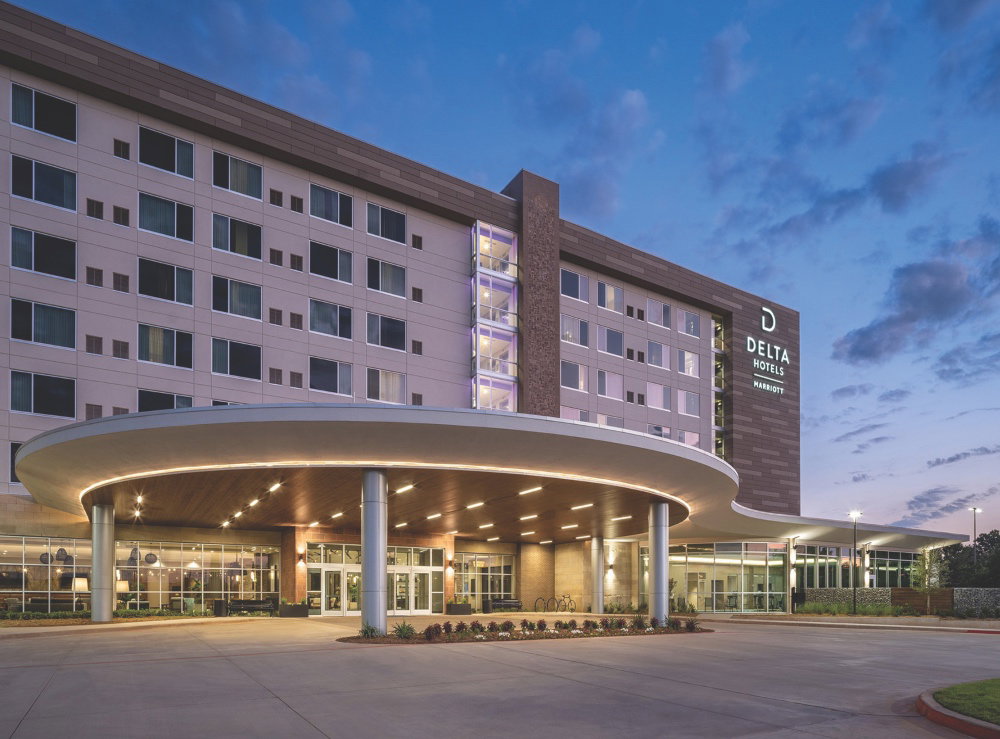
VanWinkle says meeting and event planners will find a variety of intriguing and memorable offerings in Wichita Falls, and fall is a good time to gather folks in the city. For spaces to host gatherings, a good place to start is at the Wichita Falls Multi-Purpose Events Center (MPEC), a sizeable complex that features four distinctive venues—Ray Clymer Exhibit Hall, Kay Yeager Coliseum, J.S. Bridwell Agricultural Center, and Memorial Auditorium—and located adjacent to the Delta Hotels by Marriott Wichita Falls Convention Center. Completed in 2022, this spacious hotel has 200 guest rooms and 29,440 square feet of event space—its largest room, the 14,850-square-foot Outrider Ballroom, accommodates up to 1,640 attendees.
MPEC’s Ray Clymer Exhibit Hall has 57,137 square feet of event space across two exhibit halls and 10 meeting rooms. “Right next door we have the Kay Yeager Coliseum that seats up to 10,000,” VanWinkle says. It’s a popular arena for rodeos, adding a bit of Western flair to meetings and events. Northwest of the coliseum, across the Wichita River, sits the J.S. Bridwell Agricultural Center, which includes a barn and arena that seats 1,200 people. Memorial Auditorium is farther south and housed in the same building as the Wichita Falls City Hall, and the auditorium is home for the Wichita Falls Symphony Orchestra, with seating for up to 2,717 people across two levels.
In addition to event space, several venues in Wichita Falls offer planners the opportunity to immerse attendees in the city’s history and culture. Two of the most popular are the Kemp Center for the Arts and River Bend Nature Center.
A nonprofit established in 1995, River Bend aims to connect people to the natural environment of the area. Sitting on 20 acres—including several acres of bottomland forest with entwining trails—the site has indoor exhibits showcasing wildlife, rocks, and fossils, as well as outdoor venues for event rentals. The main building, a three-story glass structure showcasing the surrounding landscapes, also has a conservatory and gift shop. All proceeds from the gift shop help fund educational programming.
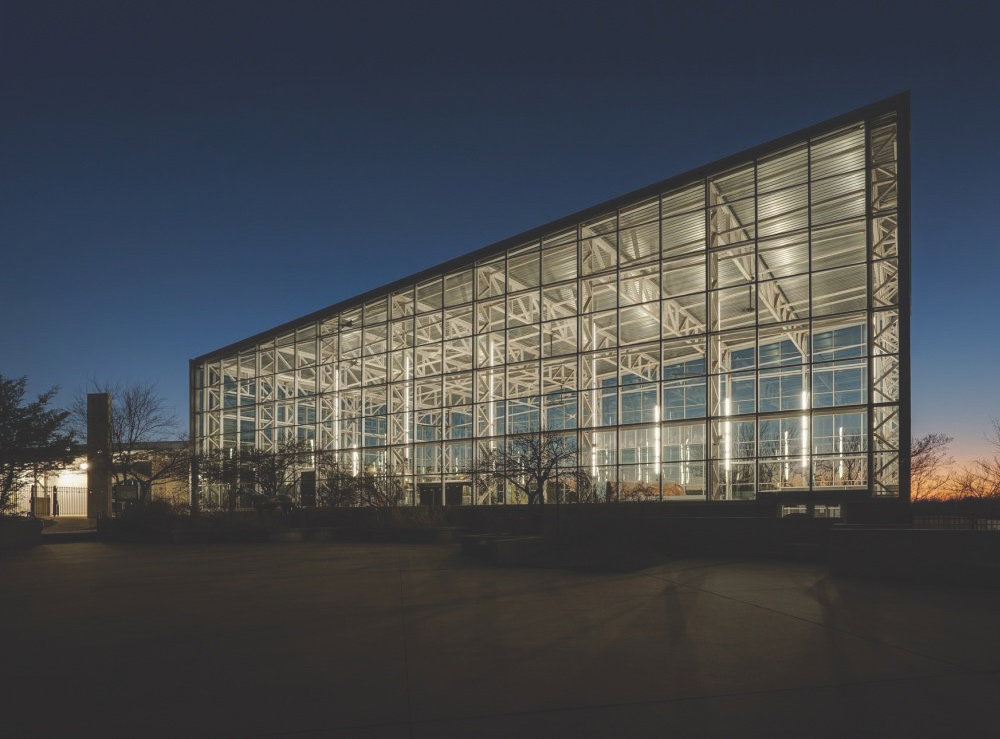
River Bend’s Elizabeth Prothro Pavilion offers 7,000 square feet of covered outdoor space for events—what Jennica Lambert, executive director of the River Bend Nature Center, describes as an expansive space perfect for large gatherings in an idyllic outdoor setting.
“We do everything, not just weddings,” Lambert says. “It really depends on the business and the accommodations they need.” Nearby is the J.S. Bridwell Terrace, an open-air garden area that seats 200 meeting and event attendees.
When people meet at River Bend, Lambert says she hopes they will take something from the experience. “Our biggest thing is we want people outside,” she says. “If you don’t care about something, you’re not going to save it. Part of what we do is educate people about why snakes are important, why insects are important, why it’s important that we don’t pollute our water, and why it’s important to maintain as much diversity in yards as possible. If they don’t know about it, why would they care? Our biggest drive is that we want to educate people and hopefully make the world a better place for generations to come. As hokey as that sounds, that’s what we’re really trying to do, and we do it pretty well.”
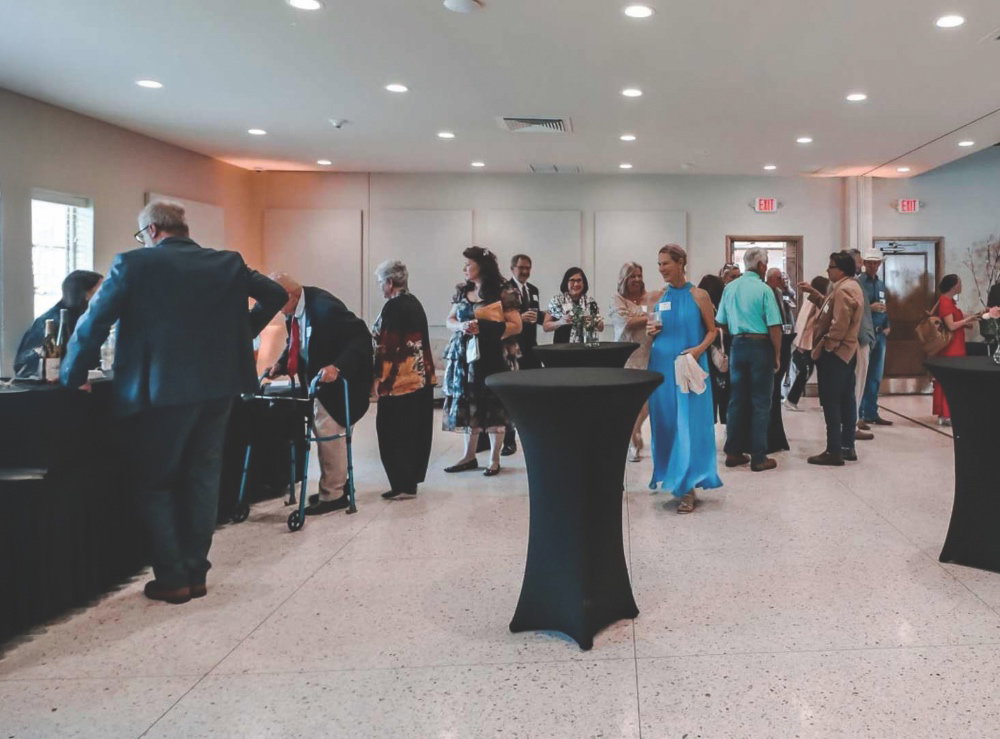
For some historical flair, groups might enjoy the Kemp Center for the Arts, a more than 100-year-old building that was formerly home to the Wichita Falls Public Library. Now, it houses the Arts Council of Wichita Falls, and it also features a collection of art exhibits to explore. It has available rental space, including a ballroom that can be used for corporate lunches and meetings, fundraising activities, and much more, according to Kristen Conrady, chief executive officer of the Arts Council of Wichita Falls. “It’s a pretty versatile space,” she says, noting the ballroom comfortably holds around 225 people.
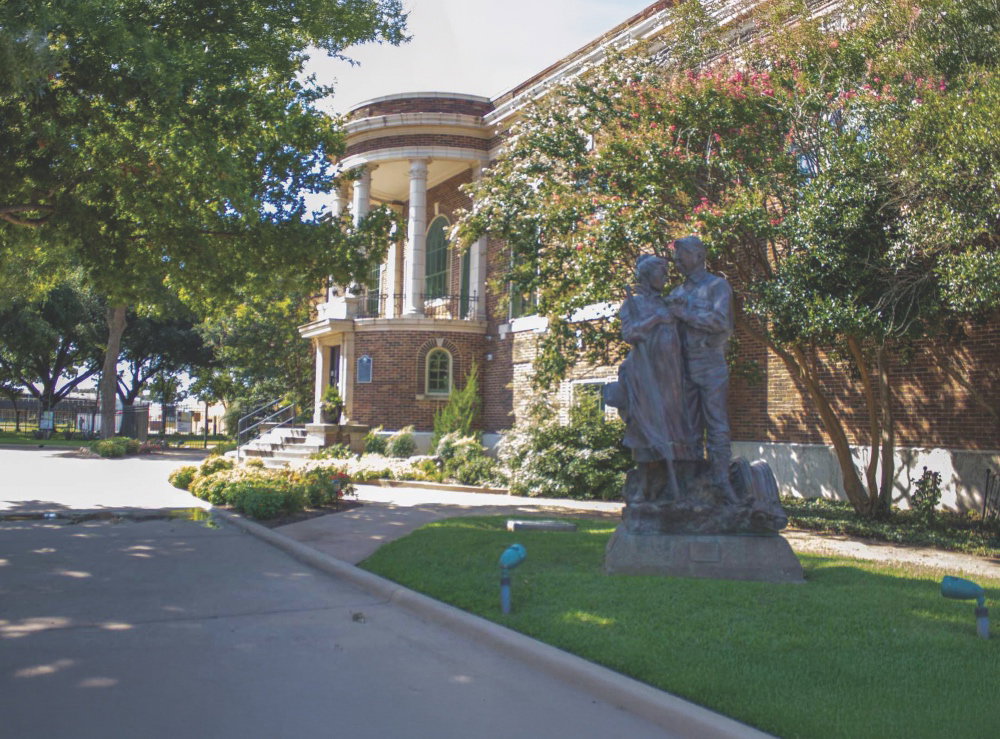
Conrady says she has no doubt that people who meet in the building will enjoy the experience, although they might be a little confused by its unconventional layout. The main entrance is located at the basement level, and what looks like the front of the building is actually its back. She says, although it’s a “funky old building,” it offers plenty of modern spaces for groups.
The fall season and holidays are typically busy for the Kemp Center, as are April and May due to awards banquets, high school proms, and graduations held at the end of the school year, making the months outside of those timeframes more open to planners for booking meetings, conferences, and other events.
“It is a great venue because it is historic to Wichita Falls, and it’s not just a room,” Conrady says. She adds that a bonus for attendees is access to viewing artworks by nationally recognized artists in its various on-site galleries.
The arts council also manages The Forum, another storied building for planners to consider. It’s located just outside the city’s downtown, and its primary use is as an event rental facility. Conrady says it is versatile and has more than 11,000 square feet of space, including a ballroom with an elevated stage. The ballroom features moveable air walls that can break the space into smaller sections, allowing it to accommodate everything from gatherings of 20 attendees to 500-person events.
Once meetings conclude or when attendees have some free time between sessions, there is plenty to do around Wichita Falls. Those interested in a fun night out on the town might consider attending a ballet, symphony, or wine-tasting event hosted around the city. The Depot Lounge, which VanWinkle says has a speakeasy vibe, is where groups might engage in ax-throwing competitions while enjoying casual food and drinks.
The Golf Factory in downtown Wichita Falls is another fun place for team building, with its three simulation bays and a practice putting green. The Iron Horse Pub offers an Irish American pub setting with live music performances on Friday and Saturday nights. Outdoor adventure can be found at Lake Arrowhead State Park, located about 15 minutes south of downtown Wichita Falls. Teams can gather for boating, biking, disc golfing, geocaching, hiking, horseback riding, nature watching, swimming, and waterskiing.

Wichita Falls is a planner’s paradise due to its numerous venues, quality meeting spaces, and easy-to-navigate layout—the latter made even easier for folks traveling by plane, with the Wichita Falls Regional Airport a 10-minute drive from downtown. VanWinkle says getting around the city isn’t bad at all, even when attractions draw large numbers of people—like the annual Hotter’N Hell Hundred bicycling event, which brings thousands of attendees and bikers to the area every year since it started in 1982.
Although this year’s Hotter’N Hell has come and gone, held Aug. 27-30, its organizers already are planning next year’s event. “We start the day after the event,” says Ben “Chip” Filer,
who helps plan the race every August. The idea for it spawned from the Wichita Falls Bicycle Club in 1982 as a way to celebrate the city’s centennial—to ride 100 miles in (sometimes) 100-degree heat. Filer adds that beyond Hotter’N Hell, there is plenty that keeps the community hopping all year long, and there is never a dearth of opportunities for groups to experience the city’s culture and festive vibe.